Technology
Mahindra's INGLO platform explained: what the BE 7 battery may look like
Mahindra's BE 6 shows the battery, charging and cooling setup it is likely to carry into the upcoming BE 7, though the SUV's own specifications are still unconfirmed.
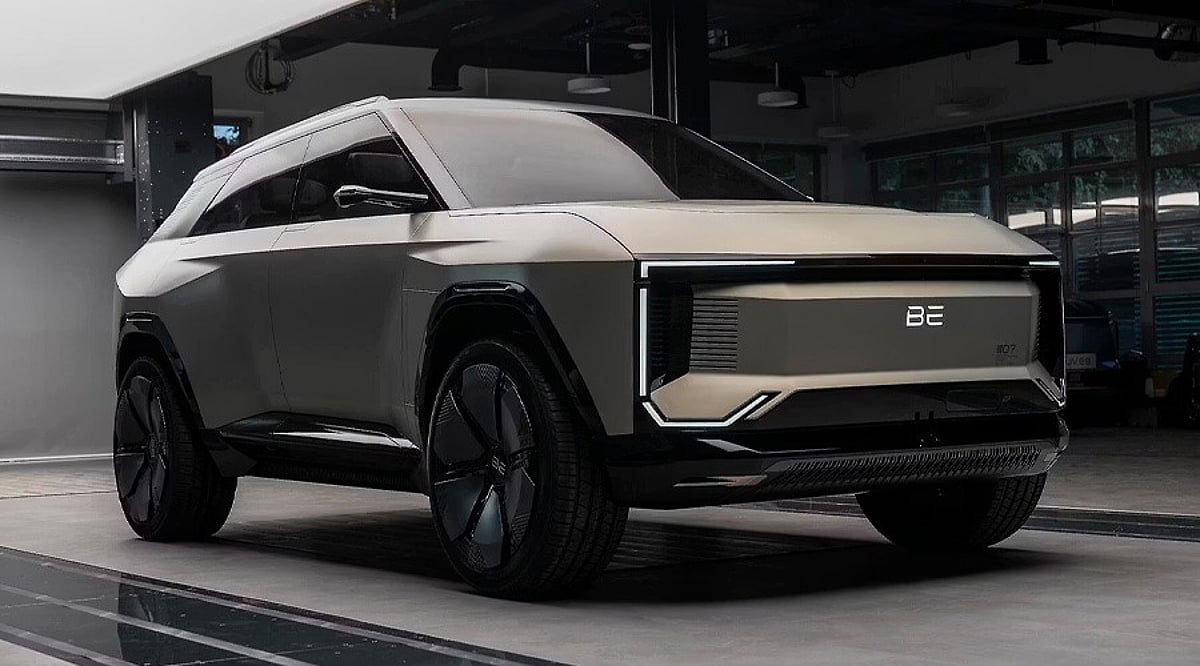
Mahindra's INGLO electric architecture, built around lithium iron phosphate (LFP) cells, is the platform expected to underpin the upcoming BE 7. The company has not yet released the BE 7's battery size, motor output or charging figures, so the BE 6, XEV 9e and XEV 9S serve as the working reference.
INGLO uses a flat, skateboard-style layout with the battery pack mounted low in the floor and the body sitting above it. The low placement keeps the centre of gravity down, which helps handling, and removes the transmission tunnel, which frees up cabin space.
The BE 6 is offered in three pack sizes: 59 kWh with 140 kW DC charging, 70 kWh with 160 kW, and 79 kWh with 180 kW. Mahindra says each can take the battery from 20 to 80 per cent in about 20 minutes. The 70 kWh option was added in 2026 to fill the gap between the other two sizes.
LFP chemistry is chosen for its thermal stability and long cycle life. Those advantages, however, depend on operating temperature, charging habits and how well the battery management system works with the cells. That is why the charger's rated output alone does not tell a buyer how fast a car will actually charge.
The BE 6 also recovers energy when the vehicle slows, with the driver able to adjust how strongly the motor regenerates. This supports one-pedal driving and can add range in stop-and-go traffic. Range itself depends on pack size, vehicle weight, tyres and driving style, not capacity alone.
For buyers, the takeaway is that the BE 7 is expected to share the BE 6's engineering, but its exact numbers will decide how it compares. Until Mahindra confirms them, the BE 6 offers the most reliable guide to what INGLO can deliver. Read the full explainer on Analytics Insight.